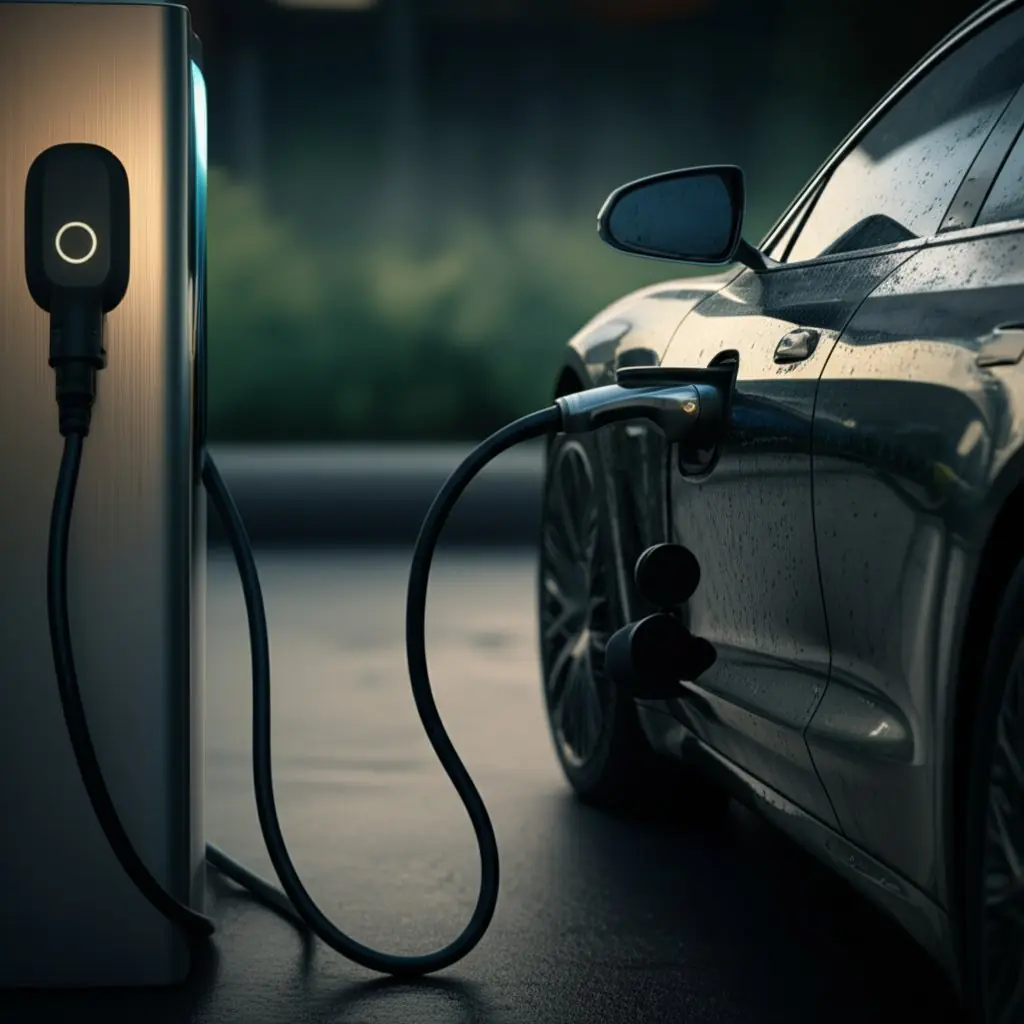
Can I Charge My EV in the Rain? — 9 Key Safety Insights
Rain and electric vehicle charging might seem like a risky combination — after all, we’re taught that electricity and water don’t mix. The good news: modern EVs and charging equipment are engineered for wet weather. This guide highlights how charging in rain is safe, what to look out for, and when it makes sense to pause.
1. What Science & Standards Tell Us
Yes — you can charge your EV in the rain when using certified equipment as intended. Charging systems adhere to strict safety standards (such as UL 2594, UL 2202, IEC 61851 and IEC 62196) that require water resistance and safe electrical protection. Many automakers confirm that their vehicles support outdoor wet-weather charging when paired with approved chargers. Eleport
2. Engineering Features That Make It Safe
Modern EV charging devices rely on multiple layers of protection:
Sealed connectors and enclosures rated for outdoor use (IP/NEMA).
Ground Fault Circuit Interrupters (GFCI or RCD) that cut electricity if leakage is detected.
Digital handshakes between vehicle and charger: electricity only flows after secure connection is confirmed.
Automatic shutdown if abnormal conditions are detected.
These features mean that rain alone doesn’t make charging unsafe — the system is designed to detect and prevent faults.
3. When Rain Becomes a Real Issue
While wet weather is generally safe for EV charging, there are edge cases you should avoid:
Damaged cables, cracked connectors, or visible corrosion
Standing water or flooding around the charging port or outlet
Sparking, burning smells, or fault lights on the station
Thunderstorms or heavy lightning nearby — risk of surges If you notice any of these, pause charging and inspect the situation.
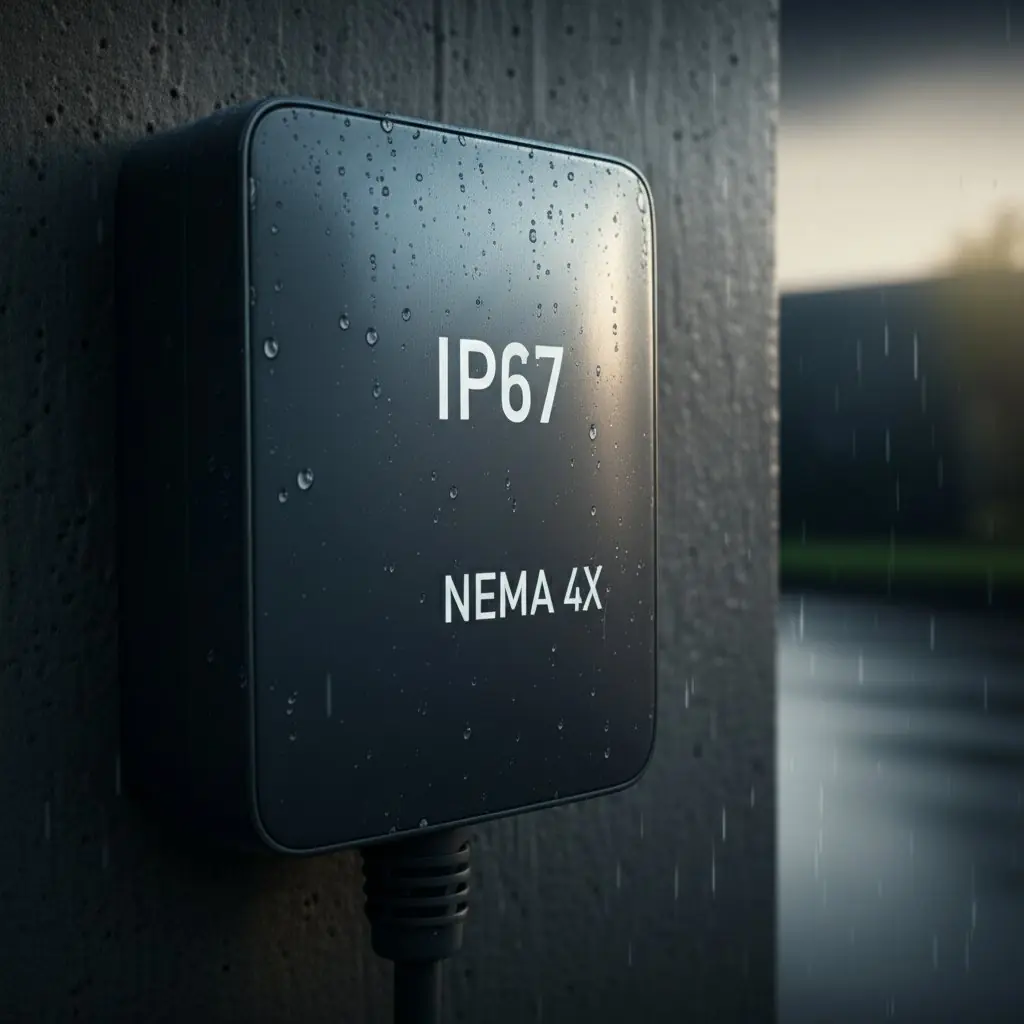
4. How IP & NEMA Ratings Relate to Rain
To judge wet-weather readiness, check the IP/NEMA ratings of your charger and connector. Here’s a quick guide:
IP44: Protected against splashing water — ok for some covered outdoor spots.
IP54 or IP55: Better water resistance; suitable for moderate rain.
IP66 / IP67 or NEMA 4/4X: Robust protection for heavy rain, outdoor exposure and even puddle proximity. Choosing higher ratings is key if your charger is exposed to direct elements.
5. Connector Types & Wet Weather Use
Different plug standards (J1772, NACS/Tesla, CCS, CHAdeMO) are all engineered for outdoor use. While their build differs, they share the same layered safety logic:
Secure latch engages first
Safety handshake confirms no faults
Electricity flows only when safe So, whether you’re charging a Tesla in rain or another EV, the system is built for it — as long as no damage or intrusion has occurred.
6. Outdoor Installation Best Practices
For chargers exposed to the elements:
Mount above grade to avoid puddles or standing water
Use a drip loop in the cable so water runs off the loop instead of into connector
Install under slight cover if possible (e.g., eaves, carport) to reduce direct rainfall
Regularly inspect seals, cable glands, and housing for wear or damage These steps help minimize risk and extend equipment life — even when charging in rain is technically safe.
7. What to Do in Real-World Rainy Charging
Here’s a simple checklist before you plug in during rain:
Inspect cable/connectors for visible damage or moisture
Clear out any standing water near the outlet or base
Plug in, watch for solid status/light confirmation or app confirmation
If a fault appears: stop, photograph the issue, and report it if public
Avoid charging during a thunderstorm or when lightning is nearby Following this routine makes rainy-day charging worry-free.
8. Faults, Warranties & When to Pause
Encountering a fault during wet charging? Record: station ID, time, weather, error code, photographs. Faults like repeated GFCI trips, groundwater contact, or burning smell require professional intervention. Charging in rain using certified equipment does not void your warranty — provided you follow manufacturer guidelines and the gear is undamaged.
9. Key Takeaways
Modern EVs + certified chargers = safe to charge in rain under normal conditions
Rain alone is not the risk — damage, flooding, lightning or faulty gear are the bigger concerns
Opt for chargers with high IP/NEMA ratings if installation is exposed
Stay alert: inspect, avoid standing water, pause during storms When done right, charging your EV in rain becomes just another day of charging — no extra stress.
%20(1).png)
.png)