%20(1).png)
.png)
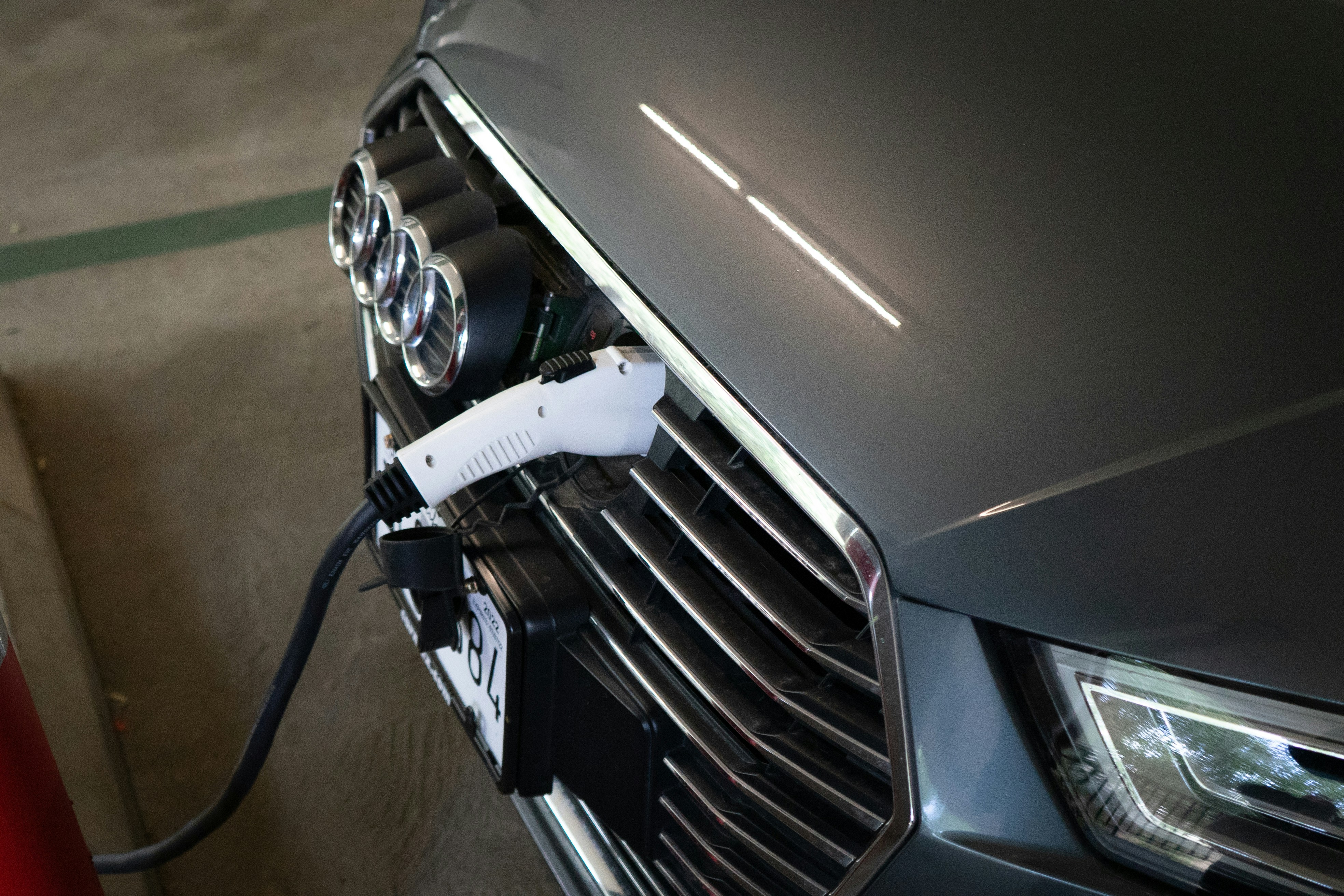
New car sales in Europe grew in March 2026, driven by a sharp rise in electric vehicle registrations that more than offset declining sales of petrol and diesel models. Official data showed that consumers are increasingly turning to EVs amid fuel price spikes caused by the war in Iran, marking a significant shift in the European automotive landscape.
Battery electric vehicle (BEV) registrations jumped by around 42% in March, a notable acceleration compared with the roughly 15% growth seen in January and February. The trend was especially strong in Europe's largest markets — BEV registrations rose approximately 66% in Germany, 69% in France, and 72% in Italy, signalling a broad-based shift away from combustion engines across the continent.
Plug-in hybrids also showed strong momentum with a 32% year-on-year increase, while petrol and diesel car registrations continued to decline by roughly 10% and 14% respectively. As a result, electrified vehicles — including battery-electric, plug-in hybrid, and hybrid models — accounted for around 70% of all new registrations in Europe. In the first quarter of 2026, BEVs alone reached a 20% market share, up 4 percentage points compared with the same period in 2025.
The growing fleet of electric vehicles is being matched by a rapid expansion of charging infrastructure across Europe. By the end of Q1 2026, around 1.17 million public charging points had been installed — up from approximately 989,000 a year earlier. Direct current (DC) charging points grew by 31%, while alternating current (AC) chargers increased by 15%, with countries such as Belgium, Italy, and Denmark leading in DC infrastructure deployment.
Overall, the March figures highlight how rising fossil fuel prices and supportive national purchase schemes in countries like Germany, France, and Italy are accelerating Europe's transition to electric mobility. For businesses operating in EV charging, these trends underline the growing demand for both AC and DC charging solutions across residential, commercial, and high-traffic locations.
Source: Reuters
+386 69 842 848