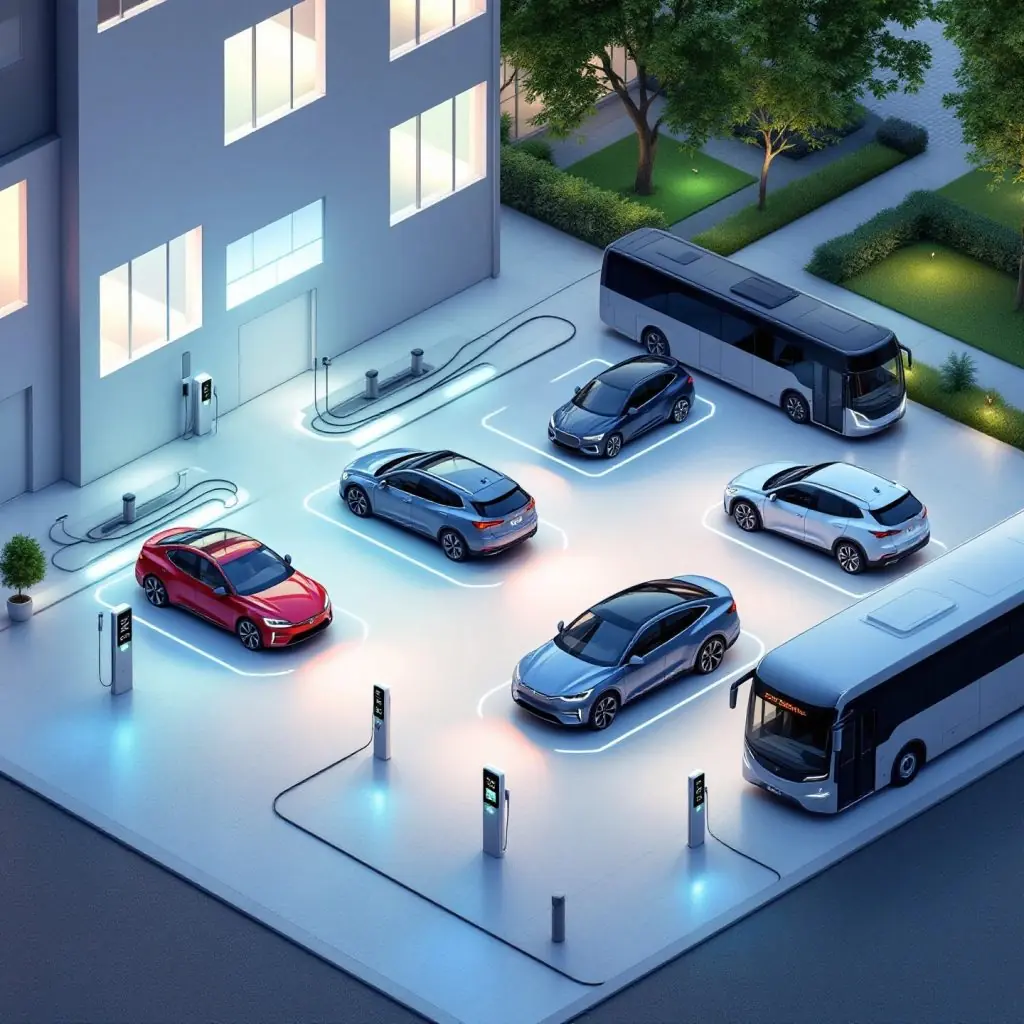
EV Charging Station Installation Cost – Itemized Breakdown & What to Expect
Thinking of installing an EV charging station—whether at home, at your rental property, or for your business? Before you commit, it’s important to understand what influences the overall installed cost. The up-front price tag of the charger itself is just one piece of the puzzle. Here’s a breakdown of how costs stack up, what triggers higher bills, and how you can plan with clarity.
What Drives the Total Installed Cost?
While the hardware is visible and tangible, many of the biggest cost drivers lie behind the scenes:
Hardware: The charger unit (Level 1, Level 2, or DC Fast), mounting accessories and ancillary components.
Electrical Work: Panel upgrades, dedicated circuits, wiring runs, ground/neutral systems and protection mechanisms.
Permits & Inspections: Local codes vary—most installations require a permit, and commercial sites often need plan reviews.
Civil / Site Work: Trenching, conduit runs, boring, concrete pads, mounting pedestals—especially for outdoor or commercial installations
Networking & Software: Smart or networked chargers may include subscription fees, remote monitoring, payment systems or load-management functionality.
ADA / Compliance (Commercial): For public or business sites, accessibility, signage, branding and compliance features translate into extra cost.
Key takeaway: The complexity of the installation often outweighs the charger itself. Focus on the site-specific variables (panel capacity, distance, civil work) to guide your budget.
Comparing Charger Types: Home vs Commercial
Level 1 (120 V AC): Suitable for light home use (plugging into a standard outlet). Very low installation cost when no major electrical upgrades are needed.
Level 2 (208–240 V AC): Most popular for home garages and many business parking facilities. Requires to be dedicated circuit and professional installation.
DC Fast Charging (DCFC or Level 3): High-power units (50–350 kW) for fleets, public stations or highway sites. These carry significantly higher hardware cost and often major electrical upgrades.
Itemized Cost Components & Scope Triggers
Here’s a framework to help you compare and understand where your money will go:
Component
Applies For
Typical Cost Behavior
Charger Hardware & Mounting
All installs
Level 2: moderate; DCFC: very high.
Panel / Load Calculation
When capacity is insufficient
Older panels and upgrades increase costs.
Breakers, Conduit, Wiring
Long runs / outdoor
Long wire runs or trenching push costs up.
Trenching / Boring
Outdoor / remote parking
High per-foot expense, especially through asphalt/concrete.
Utility / Service Upgrades
Commercial / high-power
Transformer or meter upgrades are major cost drivers.
Permits & Inspections
Local code
Varies by jurisdiction; can add unexpected fees.
Networking / Software
Smart / commercial
Adds hardware plus recurring subscription/monitoring cost.
ADA / Signage / Civil Work
Public / commercial
Compliance requirements expand scope and cost.
Contingency & Unexpected
All projects
Budget for surprises—hidden electrical issues are common.
Why Some Projects Cost Much More\
Some common triggers that push costs higher:
Very long conduit runs or trenching through concrete/asphalt.
Major panel or utility service upgrades required due to existing capacity limits.
Outdoor pedestals or weather-rated installations vs simple wall-mounted indoor units.
Networked chargers, payment systems, or requirement for load management.
Scope creep—adding features mid-project such as bollards, branding, extra circuits.
Budget Examples & Timeline
A straightforward Level 2 home installation (short run, panel available) might range from a few thousand dollars.
A commercial site with multiple chargers, outdoor locations, trenching and utility coordination might run tens to hundreds of thousands of dollars depending on scale and power.
Typical timeline: site assessment → quote → permit review → installation → inspection and commissioning. Delays often occur when utility upgrades or permitting are required.
Incentives & Net Cost
Thankfully, many jurisdictions offer rebates, tax credits or grants for EV charger installations. To maximize savings:
Check federal, state and utility programs early—some require pre-approval.
Gather invoices, permits, installer certifications and photos for reimbursement.
Commonly, hardware and installation both count toward eligible cost base.
The net cost after incentives may significantly reduce your out-of-pocket.
Final Thoughts
Installing an EV charging station is a smart move—but the “sticker price” is only part of the story. Proper budgeting requires a clear understanding of your site’s electrical capacity, wiring needs, site prep, permits, and any required upgrades. Whether it’s a home garage charger or a commercial multi-port station, treat the installation like a small construction project. When done right, you won’t just install a charger—you’ll future-proof your site, support EV adoption and avoid surprise costs.
%20(1).png)
.png)