%20(1).png)
.png)

Charging an electric vehicle (EV) might look as simple as plugging in your phone — but behind that simplicity is a carefully designed system that ensures safety, communication, and energy efficiency. Understanding how EV charging stations work helps you choose the right charger for your home, business, or travel needs.
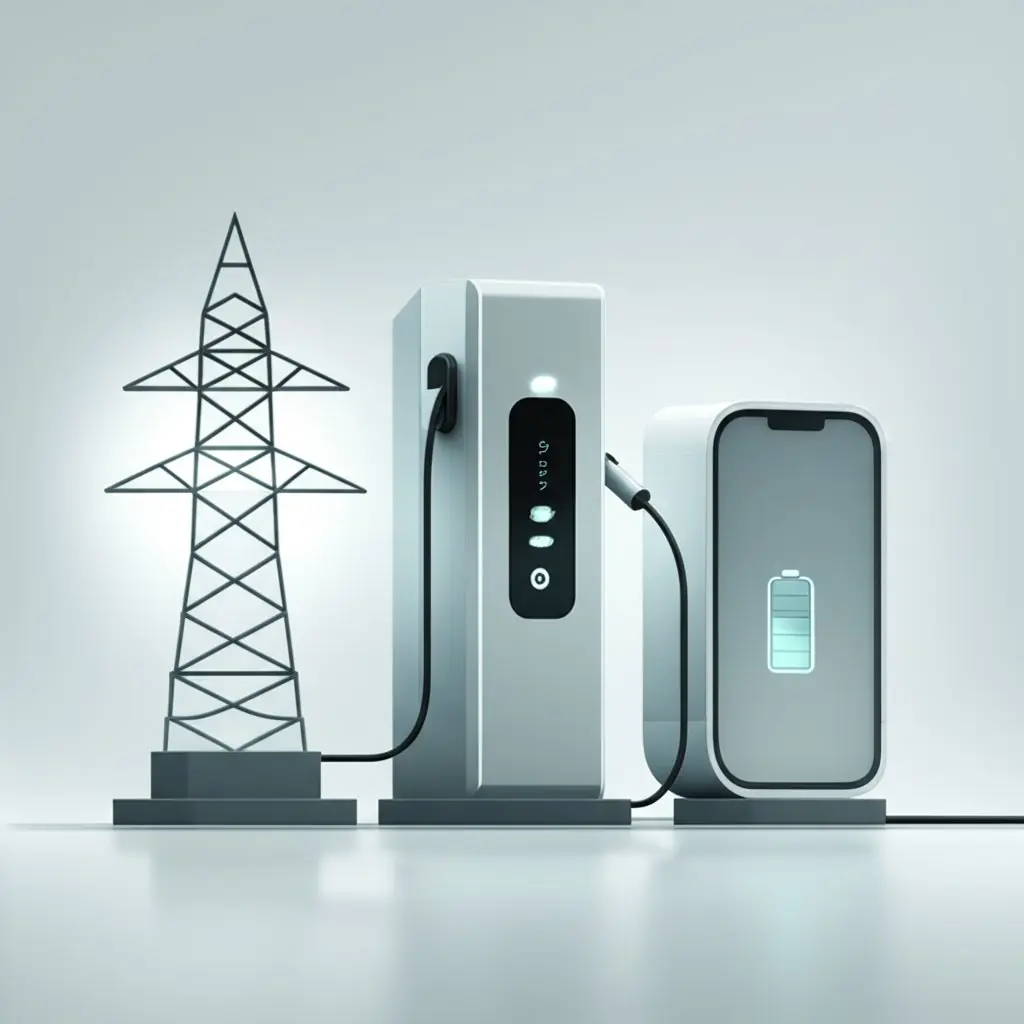
An EV charging station, often referred to as EVSE (Electric Vehicle Supply Equipment), is the bridge between your vehicle and the power grid. It doesn’t directly charge the battery — the car itself handles that — but it controls the flow of electricity, ensures safety, and communicates with the vehicle to deliver the correct amount of power.
Key components include:
In short: AC charging = slower but cheaper; DC charging = faster but more expensive.
Level Voltage Typical UseAverage Charging TimeIdeal ForLevel 1120 V Home outlets8–20 hours Short daily commutes Level 2240 V Homes, workplaces, public lots4–10 hours Everyday charging DC Fast Charging 400–900 V Highways, fleet hubs20 min – 1 hour (to 80%)Long trips, commercial use
Level 2 chargers are the most popular choice for residential and light commercial use, offering a strong balance of speed and affordability.
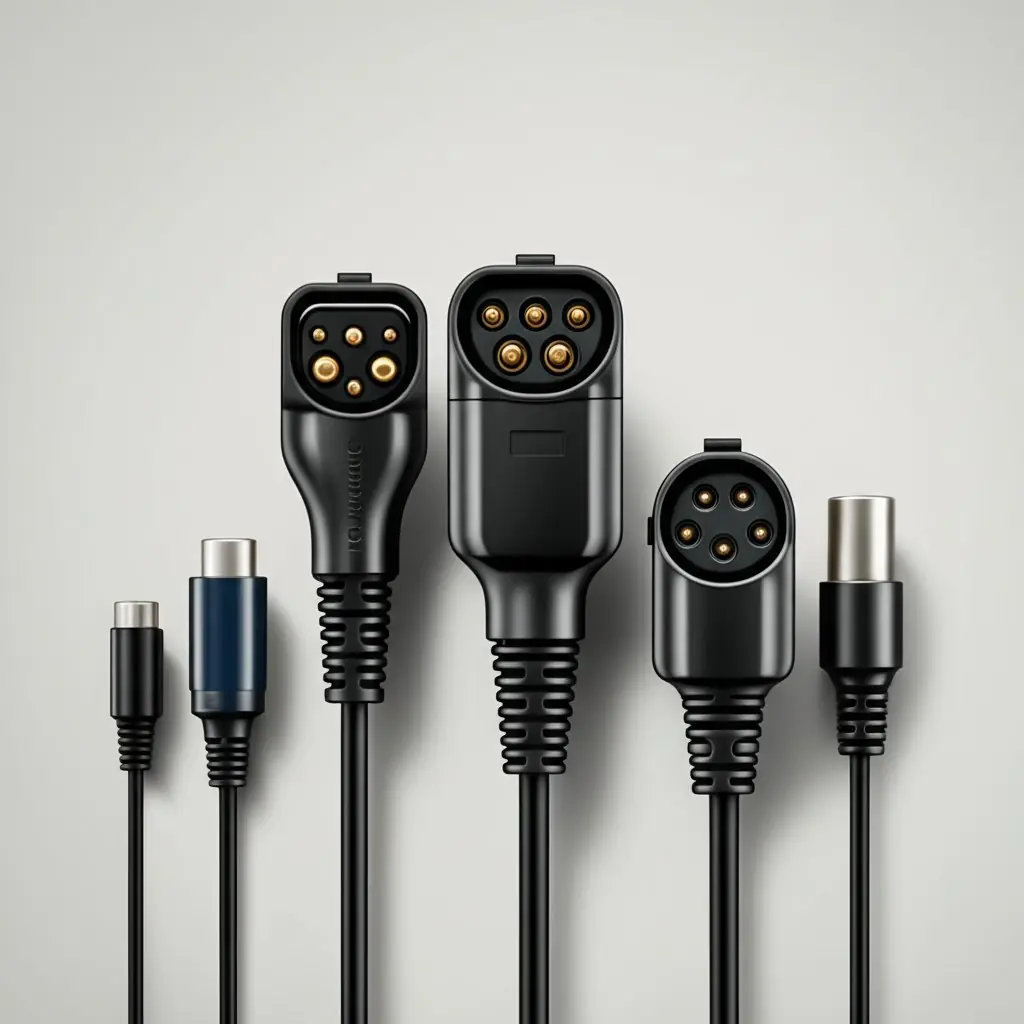
Different EVs and regions use different plug standards. Choosing the right connector ensures you can charge without adapters or compatibility issues.
Common types include:
Before installing a charger or planning a long trip, confirm which connector your EV uses and whether you need an adapter.
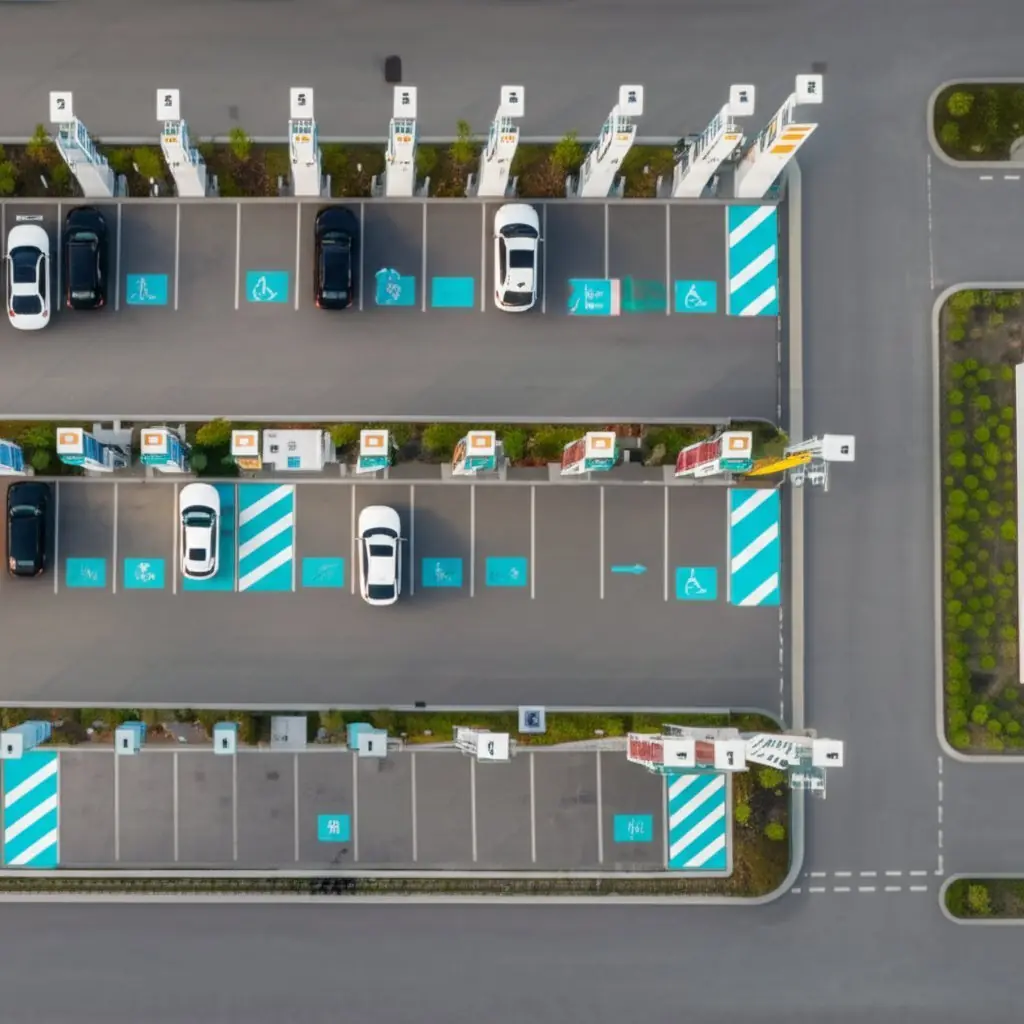
Public EV chargers operate through networked systems. Drivers can locate, activate, and pay for charging sessions using apps, RFID cards, or payment terminals. Some stations offer real-time availability and pricing updates, allowing you to plan stops more efficiently.
Typical steps:
Pricing models vary — some charge by kWh, others by time, or offer subscription packages for frequent users.
EV charging technology is evolving quickly, with faster speeds, smarter energy management, and wider compatibility across vehicles. Whether you’re considering a home charger, setting up workplace infrastructure, or expanding your business with DC fast chargers, understanding how these systems work helps you make the right investment.
The transition to electric mobility is more than just a trend — it’s a shift toward cleaner energy and lower operating costs. With the right charging setup, every driver can be part of that change.
+386 69 842 848