
Solar EV Charging Station — Harness Sunlight to Charge Your Car

Back

Solar EV Charging Station — Harness Sunlight to Charge Your Car

As EV adoption accelerates, so does interest in powering those vehicles with renewable energy at home or business. A solar-powered EV charging station allows you to charge your electric vehicle from sunlight, reducing grid reliance, slashing costs and cutting carbon emissions. This guide walks you through how solar EV charging works, system options, sizing, costs and ROI.

What is a Solar EV Charging Station?

A solar EV charging station combines photovoltaic (PV) panels, inverters, optional battery storage and an EV charger (EVSE) into a system that supplies your vehicle with clean energy. Instead of pulling electricity from the utility grid, sunlight captured on your roof or carport becomes the primary source of fuel for your EV.
Why Go Solar for EV Charging?

  • Energy Independence: You generate your own electricity, shielding yourself from rising utility rates and grid disruptions.
  • Lower Running Costs: After the initial installation, sunlight is free. Charging your EV via solar can dramatically reduce what you’d spend on grid electricity.
  • Reduced Carbon Footprint: While EVs are cleaner than petrol cars, they still use grid-power which may include fossil fuel generation. Solar charging ensures truly renewable energy for your driving.
  • Minimal Maintenance: Modern solar panels and EVSEs are built for durability, with few moving parts and long lifespans.

System Types: Grid-Tied vs Off-Grid vs Hybrid

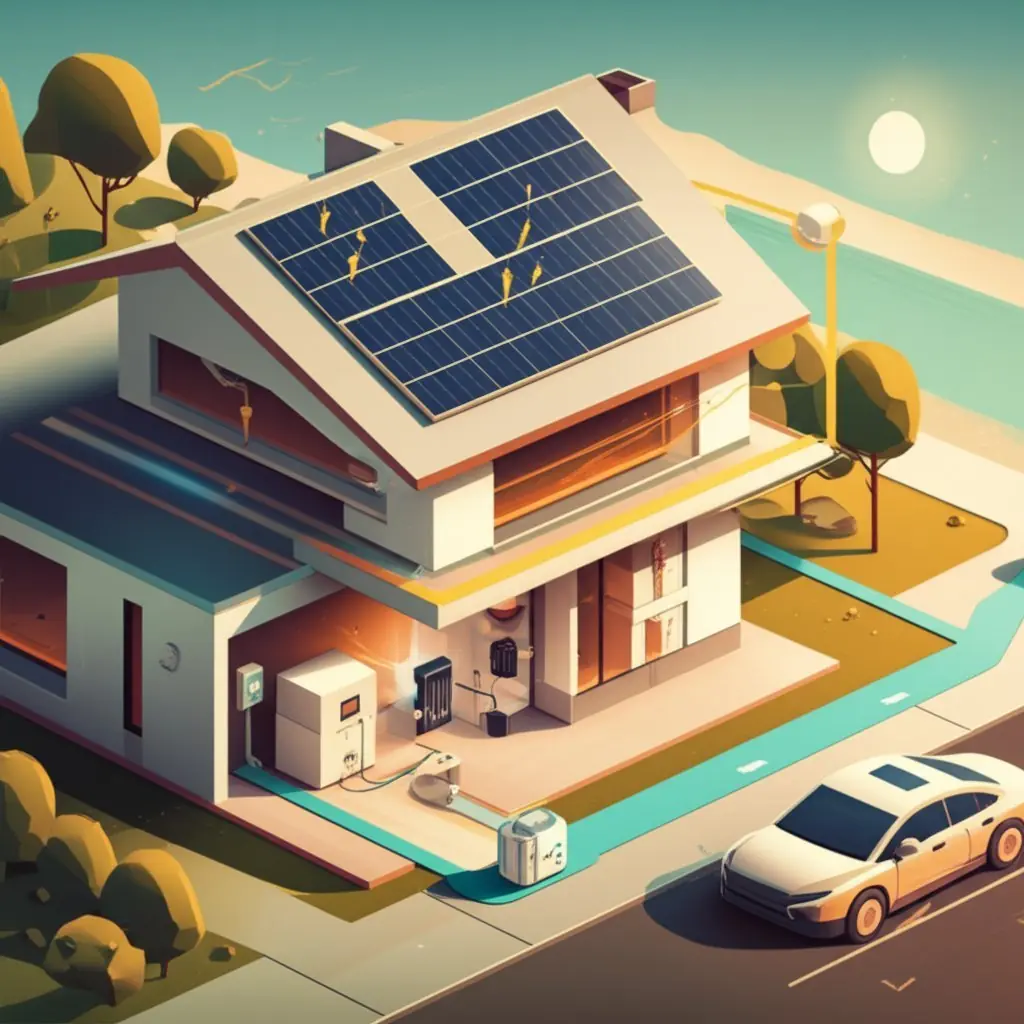
solar energy flows from rooftop panels to an electric vehicle charger through key system components

Here’s how the three main architectures compare:

System Type How It Works Pros Cons Best For Grid-Tied Panels feed the grid; you draw from grid when needed. Lowest cost, net metering benefits No charging during grid outage unless battery added Urban/suburban homes with reliable grid Off-GridFully independent: panels + batteries supply EV & home.Full autonomy, grid-outage resilient High upfront cost, require significant battery storage Remote homes, cabins, total independence Hybrid Combines grid connection + solar + battery storage. Balanced: backup power + cost savings Higher cost than grid-tied, more complexity Homes wanting resilience + savings

Sizing Your Solar EV Charging System

To size a system:

  1. Estimate your daily EV energy need (miles driven × kWh/mile).
  2. Determine your region’s average peak sun hours.
  3. Divide required kWh by sun hours → kW system size.
  4. Factor in system inefficiencies (≈10–20 %).
  5. Translate kW into number of panels (e.g., 400 W panels).

For example, driving 40 miles/day with an EV consuming 0.3 kWh/mile = 12 kWh/day. With 4 sun hours/day → 3 kW base system. With 1.2 efficiency factor → ~3.6 kW. With 400 W panels → about 9 panels.

Cost & Return on Investment

Typical installed costs vary widely:

  • Small home system (4-6 kW) may cost $10,000–$16,000 (pre-incentives).
  • Larger system (8-12 kW) might run $18,000–$30,000.
  • Commercial installations scale from $45,000+, depending on size and charger ports.
    After incentives, many homeowners see payback periods of 5–7 years, sometimes shorter in high-utility-rate areas.

Installation Process – What to Expect

  1. Site Assessment: Roof orientation, shading, panel space, panel capacity, EV usage habits.
  2. Permits and Paperwork: Building permits, utility interconnection agreements if grid-tied.
  3. Equipment Procurement: Panels, inverter, charger, optional batteries.
  4. Installation: Mounting panels or carport, wiring to inverter and EVSE.
  5. Inspection & Commissioning: Utility/authority review, system testing and monitoring setup.

Choosing Quality Equipment & Manufacturer

Select certified products (UL, IEC), from reputable manufacturers. Reliable hardware and good support help ensure durability and performance. Good installers will guide you through component selection and integration with your EV charger.

Final Thoughts

A solar EV charging station is a forward-thinking investment — combining clean mobility with renewable energy. Whether you’re driving one EV or managing a fleet, pairing solar with your charger can cut costs, reduce carbon footprint and provide power independence. With the right design, equipment and incentives, it’s much more accessible than ever.
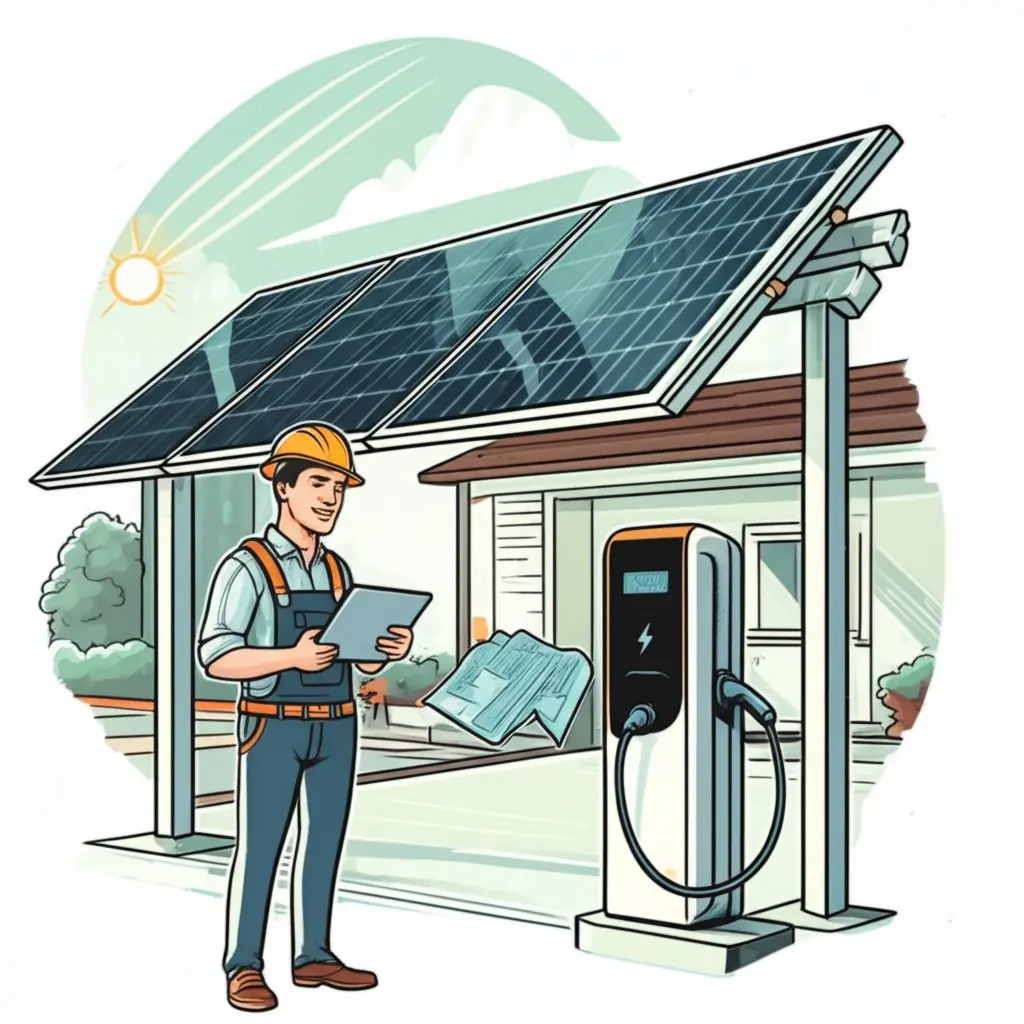
the installation process for a home solar ev charging station from assessment to completion

Back

Contact for Services

By submitting this form, you agree to our Privacy Policy
Thank you!
We will respond to you as soon as possible
An error occurred. Please try again later or contact us via email or phone.