%20(1).png)
.png)

Electric vehicles (EVs) are rapidly transforming the future of transportation. As adoption grows worldwide, building a robust highway EV charging infrastructure has become a top priority. To meet this demand, Amppal & Dobrateh deliver advanced solutions for fast and ultra-fast charging stations designed specifically for expressways and long-distance routes.
Local governments across the globe are now promoting highway electrification as part of their sustainability strategies — yet challenges remain. Even deploying a small number of compact, box-type fast charging stations along highways can have an enormous impact, connecting nearby cities and significantly boosting driver confidence.
In China, Amppal & Dobrateh have partnered with government programs to install an extensive network of highway EV charging stations. Now, we’re helping bring this proven approach to other regions, including Europe and the United States, where long-distance EV travel continues to expand.
For EV owners, reliable highway charging eliminates range anxiety and ensures a smooth journey between cities. Expanding charging infrastructure doesn’t just improve convenience — it directly supports global climate goals by reducing carbon emissions.
The European Union’s Fit for 55 plan, for example, mandates fast EV chargers every 60 kilometers (≈37 miles) on major highways by the end of 2025, emphasizing the growing importance of this infrastructure worldwide.
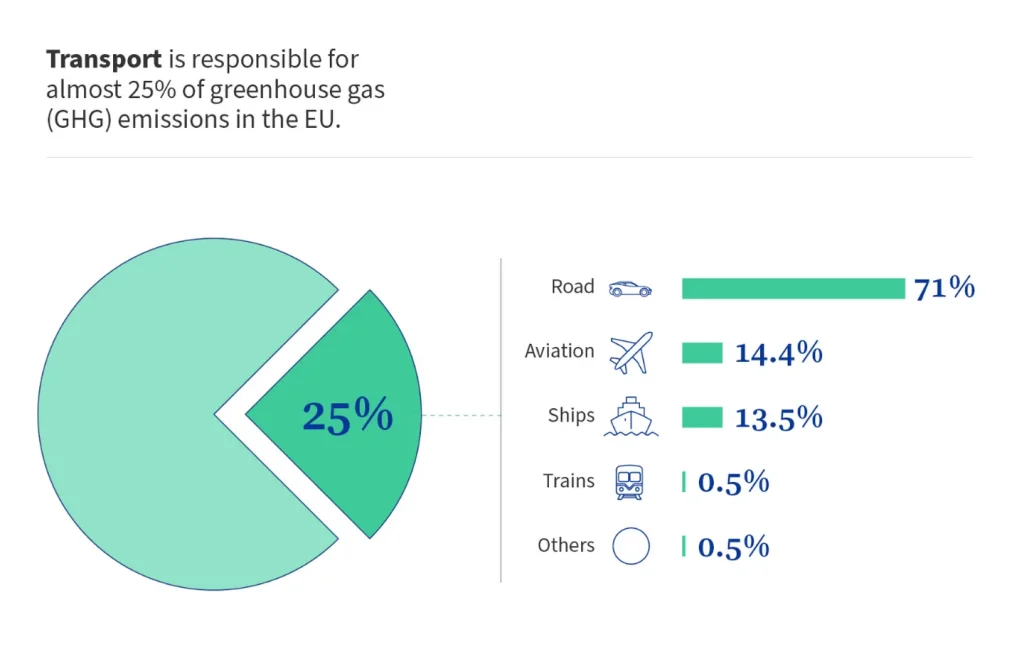
Image: EU Fit for 55 infographic – Transport accounts for nearly 25% of greenhouse gas emissions in the EU.
Building highway charging networks is about more than increasing the number of chargers — it’s about strategic placement and efficiency.
Highway users demand speed and reliability.
Operating several ultra-fast chargers simultaneously requires intelligent power management.
With over 25 years of experience in EV charging technology, Amppal & Dobrateh design and manufacture reliable systems tailored to each client’s needs. Our solutions cover the full spectrum — from passenger EVs to medium and heavy-duty electric vehicles, including:
Every project is engineered for safety, performance, and adaptability to local standards.
Contact Amppal & Dobrateh today to learn how we can help you build a future-ready highway charging network — efficient, scalable, and sustainable.
+386 69 842 848