%20(1).png)
.png)
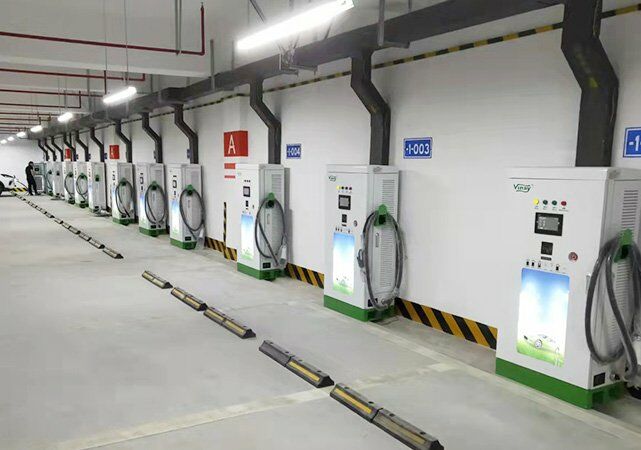
Implementing electric vehicle (EV) charging at the workplace significantly enhances the convenience and affordability of EV ownership for employees. By providing on-site charging, employers demonstrate leadership in sustainability and commitment to advanced vehicle technologies — benefits that extend to both the company and its workforce.
Workplace charging programs have been strongly promoted through global initiatives. In the U.S., the Department of Energy’s Workplace Charging Challenge (2013–2017) partnered with hundreds of organizations to expand employee access to charging. In Europe, ChargeUp Europe forecasts that workplace charging infrastructure will grow from 10% today to 15% by 2030. Meanwhile, resources such as the City of Boston’s Workplace Charging Guide offer valuable insights into setting up and managing effective employee charging programs.
Begin by surveying employees to gauge demand and understand how workplace charging would support their commuting needs.
Engage early with utilities, electrical contractors, and equipment providers to determine electrical capacity, grid requirements, and optimal station placement. For leased facilities, include the building owner in planning and negotiation.
Employers should integrate EV charging into their broader sustainability strategy, ensuring it aligns with corporate environmental goals and employee expectations.
Understanding the types of charging equipment and their use cases is essential when designing an effective system:
Employers must consider the full lifecycle costs of charging infrastructure, including:
Studies by the International Council on Clean Transportation (ICCT) and other institutions provide valuable insight into non-residential EV supply equipment costs. Fortunately, a variety of federal, state, and utility incentives can offset much of the investment.
With decades of experience in EV charging systems, Amppal & Dobrateh help organizations design efficient, scalable workplace charging solutions tailored to their needs. From initial planning to deployment and maintenance, our team ensures reliability, user satisfaction, and seamless integration with your sustainability goals.
Discover more EV charging solutions at Amppal & Dobrateh.
+386 69 842 848